News

Phase IV Post-Marketing Surveillance: Monitoring Safety After Regulatory Approval

Phase IV Post-Marketing Surveillance: Monitoring Safety After Regulatory Approval

Phase IV clinical studies are conducted after a medicinal product has received regulatory approval and entered the market. Unlike pre-approval trials, which are performed under controlled conditions with defined patient populations, Phase IV studies assess safety and effectiveness in broader, routine clinical practice.

Post-marketing surveillance aims to detect rare or long-term adverse effects that may not have been identified during earlier trial phases. Data sources may include observational studies, patient registries, spontaneous adverse event reporting systems, and real-world evidence analyses.

Regulatory authorities require ongoing pharmacovigilance activities to ensure continuous evaluation of a product’s benefit–risk profile. When necessary, findings from Phase IV monitoring may lead to label updates, additional warnings, usage restrictions, or further risk management measures.

For healthcare professionals, understanding post-marketing surveillance supports informed prescribing and reinforces the importance of adverse event reporting in maintaining patient safety within established regulatory frameworks.
Blog

Drug Recalls: Regulatory Process and Manufacturer Responsibilities

Drug Recalls: Regulatory Process and Manufacturer Responsibilities

Drug recalls are structured regulatory actions taken to address quality, safety, or labeling concerns associated with medicinal products. Clear procedures and defined responsibilities ensure patient protection and supply chain integrity.

Read more
Safe Use of Nonsteroidal Anti-Inflammatory Drugs (NSAIDs): Gastrointestinal and Cardiovascular Considerations

Safe Use of Nonsteroidal Anti-Inflammatory Drugs (NSAIDs): Gastrointestinal and Cardiovascular Considerations

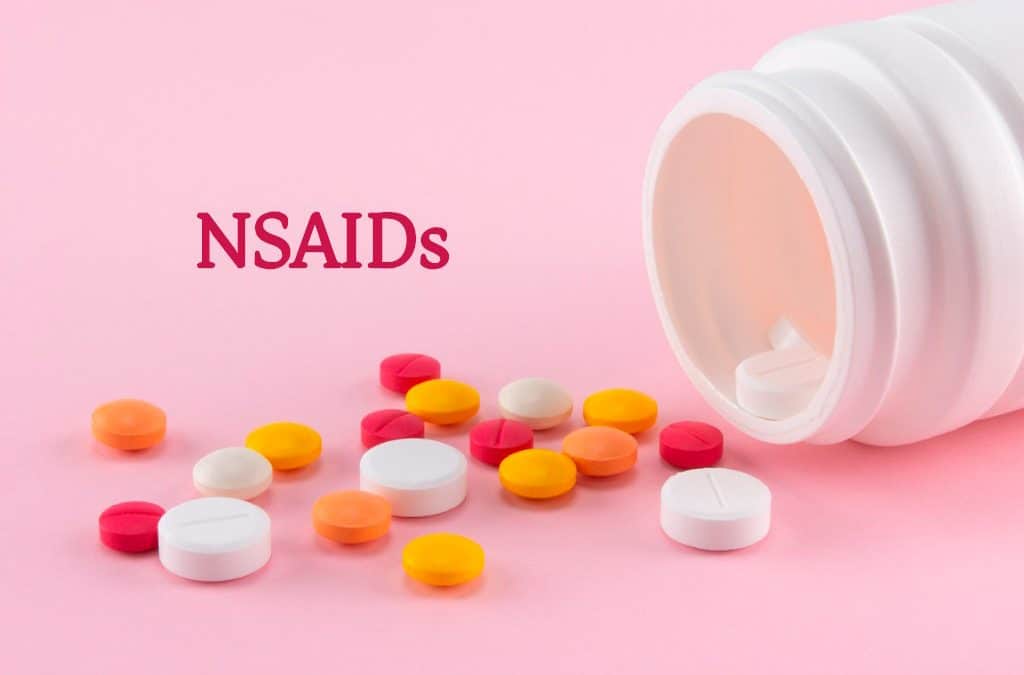
Nonsteroidal anti-inflammatory drugs (NSAIDs) are widely used for pain and inflammation management. Appropriate patient selection and risk assessment are essential to minimize gastrointestinal and cardiovascular complications.

Read more
How FDA and EMA Issue Safety Alerts: Regulatory Communication in Pharmacovigilance

How FDA and EMA Issue Safety Alerts: Regulatory Communication in Pharmacovigilance

Regulatory authorities such as the U.S. Food and Drug Administration (FDA) and the European Medicines Agency (EMA) issue safety alerts to communicate emerging risks associated with medicinal products. These alerts support timely risk mitigation and informed clinical decision-making.

Read more
Antimicrobial Resistance: Clinical Implications and Responsible Antibiotic Use

Antimicrobial Resistance: Clinical Implications and Responsible Antibiotic Use

Antimicrobial resistance (AMR) represents a growing global public health concern. Rational prescribing practices and stewardship programs are essential to preserving antibiotic effectiveness and reducing preventable morbidity.

Read more
1 of 3